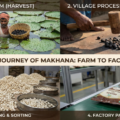
Mithila Makhana is a light, crunchy, GI-tagged superfood from the ponds of North Bihar, packed with protein, fibre, minerals and powerful plant compounds that support modern lifestyles in 2026. This long-form guide explains 10 science-backed health benefits of Mithila Makhana and shows why it deserves a daily place in your plate, tiffin and snack bowl.
What Makes Mithila Makhana Special?
Makhana (fox nuts or lotus seeds) comes from the seeds of aquatic plants grown in ponds and wetlands, and Mithila is one of the world’s most important makhana-growing regions. GI‑tagged Mithila Makhana is known for its superior size, taste and texture because of traditional cultivation, careful drying and roasting methods that help preserve nutrients and flavour.
Nutritionally, lotus seeds are naturally low in fat and sodium, contain no cholesterol and offer a balance of complex carbohydrates, plant protein, and minerals like magnesium, potassium, phosphorus and iron. This makes them a powerful alternative to ultra‑processed snacks, especially for people looking for heart‑friendly, diabetes‑friendly and weight‑management-friendly choices in 2026.
1. Rich in Protein and Complex Carbs
Per 100 g, lotus seeds provide around 4 g protein along with complex carbohydrates, giving slow and steady energy instead of a quick spike and crash. This combination helps keep you fuller for longer and can reduce frequent snacking on sugary or fried foods.
Proteins in makhana contain amino acids like arginine, leucine and lysine, which play roles in muscle repair, immunity and hormone production. For vegetarians and people on plant‑focused diets, Mithila Makhana can be a convenient way to slightly boost daily protein intake through snacks, kheer, curries and chivda.
2. Supports Weight Management
Makhana is naturally low in calories and fat compared with many packaged snacks like chips and deep‑fried namkeen. One cup of dried makhana (about 30–32 g) can offer around 100 calories with fibre and protein, making it more satisfying than many empty‑calorie options.
Because it is crunchy, mildly flavoured and easily roasted with minimal oil, it satisfies the psychological craving for “munching” without overloading the body with trans‑fats or excessive sodium. Choosing roasted Mithila Makhana with simple seasonings instead of fried snacks can support calorie control over time, which is essential for weight loss or maintenance.
3. Helps Maintain Healthy Blood Sugar
Traditional systems have used makhana for metabolic support, and modern nutrition data explains why it can be a smart choice for people with prediabetes or type 2 diabetes when eaten in moderation. Makhana has a relatively low fat content, decent fibre and protein, and mainly complex carbohydrates, which together slow digestion and help avoid sharp sugar spikes.
Magnesium present in lotus seeds is linked to better insulin function and glucose control, while the low sodium content supports overall metabolic health. When paired with other fibre‑rich foods and consumed in appropriate portions, Mithila Makhana can fit into diabetes‑friendly snack plans recommended by many nutrition experts.
4. Heart-Friendly Snack Option
Most heart specialists advise reducing trans fats, saturated fats and excess salt, all of which are high in typical fried snacks. Makhana, on the other hand, is naturally low in total fat and sodium and contains zero cholesterol, which makes it a more heart-supportive choice.
Minerals like magnesium and potassium found in lotus seeds are important for maintaining normal blood pressure and heart rhythm. Using roasted Mithila Makhana with light rock salt, herbs and spices as a daily evening snack can therefore support a heart-healthy lifestyle, especially for people with high BP or a family history of heart disease.
5. Good for Bone and Joint Health
Makhana is a useful plant source of calcium, which is crucial for bone strength, teeth health and normal muscle function. Some analyses show meaningful levels of calcium and phosphorus together, a combination that supports healthy bone mineralisation.
For older adults, women in the post‑menopausal age group, and people with low dairy intake, regular inclusion of Mithila Makhana in curries, kheer or roasted snacks can help increase daily calcium intake. While it should not replace medical treatment or prescribed supplements, it can be a supportive part of a bone‑friendly diet pattern.
6. Supports Digestion and Gut Health
The fibre content in makhana helps add bulk to stool and promotes regular bowel movements, which may reduce the risk of constipation. Compared with heavy, oily snacks that can slow digestion and cause bloating, light roasted mithila makhana is gentle on the stomach for most people when eaten in moderate amounts.
Traditional uses of Euryale ferox (makhana) in Asian medicine include support in chronic diarrhoea and spleen weakness, suggesting a long history of gastrointestinal benefits. Modern nutrition adds that a diet richer in fibre and plant‑based foods helps nourish beneficial gut bacteria, which in turn influences overall immunity and metabolic health.
7. Natural Antioxidants for Anti-Ageing Support
Makhana contains various plant compounds with antioxidant activity, which help neutralise excess free radicals produced by stress, pollution and modern lifestyles. Free radicals can damage cells over time and are associated with faster ageing and a higher risk of chronic diseases.
Studies and reviews describe fox nuts as having anti‑inflammatory and anti‑oxidative properties, which may support better long‑term health when combined with a balanced diet and active lifestyle. While makhana alone cannot prevent disease, replacing refined, sugary snacks with antioxidant‑rich Mithila Makhana is a small daily step in the right direction.
8. May Support Brain and Nerve Function
Lotus seeds are a source of thiamine (vitamin B1), which plays a role in nerve function and energy metabolism. Some experts note that thiamine helps the body produce acetylcholine, a neurotransmitter involved in memory and cognitive processes.
In addition, the steady energy release from complex carbs and protein may help reduce mid‑day crashes and improve focus compared with sugary snacks that spike and crash blood sugar. For students, working professionals and older adults, including Mithila Makhana as part of balanced meals or snacks can therefore be a gentle support for daily brain performance.
9. Helpful During Fasting and Festive Seasons
Across India, makhana is a popular falahari food used during Navratri and other fasting days because it is sattvik, light and versatile. It can be roasted, cooked into kheer, made into tikkis or combined with peanuts and coconut to create filling, non‑grain meals.
The mix of carbohydrates, protein and minerals offers sustained energy during long fasting hours, while its neutral taste allows both sweet and savory preparations to suit different regional traditions. For people observing religious fasts, GI‑tagged Mithila Makhana becomes both a cultural and nutritional asset.
10. Clean-Label, Gluten-Free and Versatile
For people with gluten intolerance, celiac disease or those following gluten‑free diets by choice, makhana is naturally gluten‑free. It also has a very “clean label” profile when purchased in its pure form—just dried, puffed seeds without artificial colours, flavours or preservatives.
This makes Mithila Makhana easy to integrate into many modern diet patterns, including gluten‑free, vegetarian, Jain and some low‑FODMAP plans, with guidance from a nutrition professional. From breakfast porridges and smoothies to evening chaat and festive desserts, its versatility is one more practical benefit supported by its simple, natural composition.
Why Choose GI-Tagged Mithila Makhana?
The Mithila region in Bihar contributes a major share of India’s makhana production, and its Mithila Makhana has received a Geographical Indication (GI) tag. This tag recognises its distinct quality, traditional farming and processing methods, and the unique climate and wetland conditions that influence taste and texture.
By choosing authentic Mithila Makhana, consumers support thousands of local farmers and FPOs who are working collectively to improve quality, traceability and fair pricing. For health‑conscious families, retailers, and food businesses, this also means more consistent size, puff, crunch and flavour across batches.
How to Add Mithila Makhana to Your Daily Routine
- Roast a handful in ghee or cold‑pressed oil with rock salt and pepper for an evening snack.
- Add to curries, kheer, gravy sabzis or pulao to boost volume, texture and nutrition.
- Use flavoured Mithila Makhana (peri‑peri, cheese, pudina, tomato) as a healthier replacement for packaged chips in kids’ tiffins and movie nights.
As with any food, portion control is important; most adults can start with a small bowl (around 20–30 g) once a day and adjust based on dietary needs and advice from their healthcare provider.
Procure Authentic Mithila Makhana from the Source
If you are looking for consistent quality, farmer‑linked and GI‑tagged Mithila Makhana for your home, shop or food business, sourcing directly from a farmer producer organisation (FPO) in Mithila helps you get better product and better value. Buying through an FPO ensures transparent sourcing, fair prices for farmers, and the option of bulk, retail or private‑label packaging as per your requirement.
To procure premium‑grade Mithila Makhana, explore our range of cleaned, graded and properly packed makhana suitable for households, retailers, wholesalers and HoReCa buyers, and connect with our team through the contact details and enquiry form on this website for customised orders and B2B partnerships. This direct‑from‑Mithila linkage helps you offer your family and customers a genuine superfood snack while supporting the livelihoods of local makhana farmers
.